
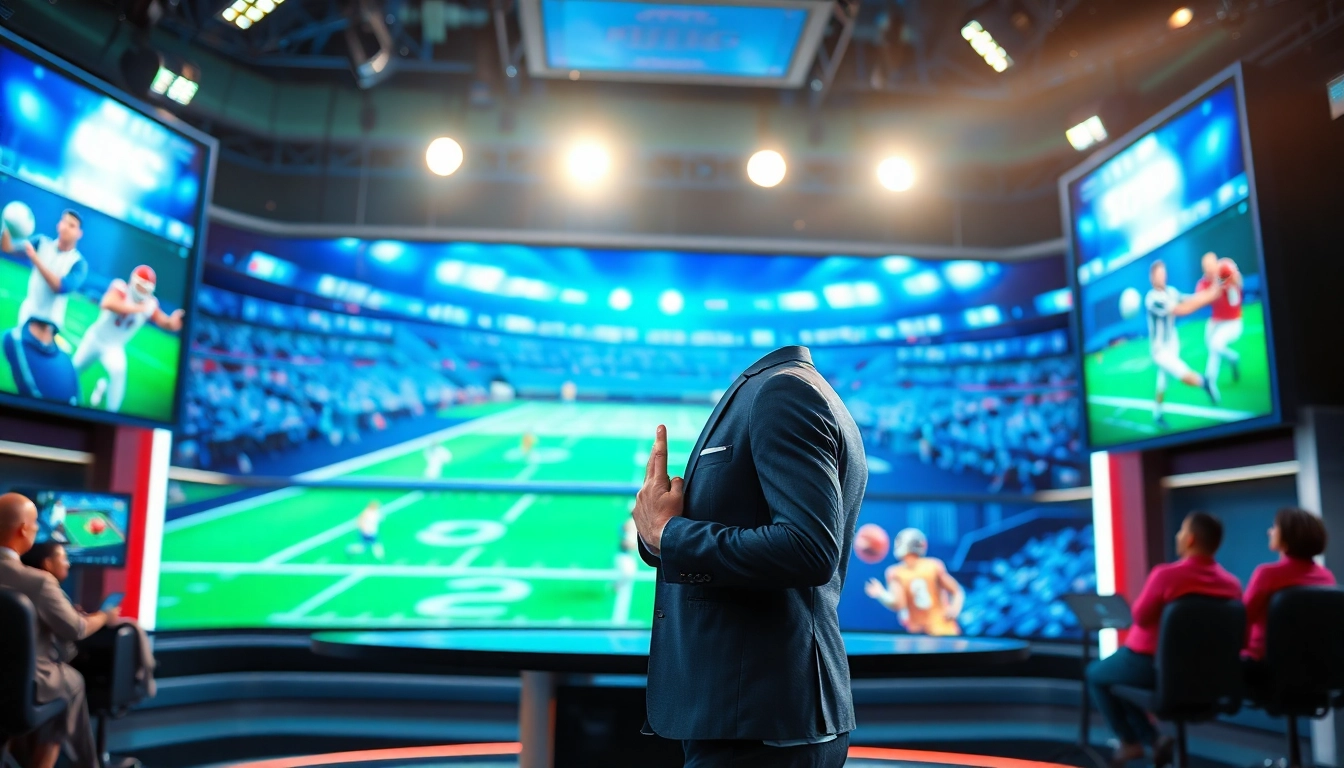
Understanding the Fundamentals of Sports Broadcasting
Defining Sports Broadcasting
Sports broadcasting is the dissemination of sporting events to audiences through various platforms, including television, radio, and online streaming. It involves a complex production process that captures live action, provides commentary, and engages viewers. The goal is to deliver an immersive experience that allows fans to feel part of the action, whether they are watching at home or on the go. Effective sports broadcasting goes beyond simply relaying scores and highlights; it involves storytelling, analysis, and creating a connection with the audience. For deeper insights, explore Sports Broadcasting that examines trends and best practices in the industry.
The Evolution of Sports Broadcasting
Since the early 20th century, sports broadcasting has undergone transformative changes, reflecting advancements in technology and shifts in audience preferences. Initially dominated by radio, the genre expanded to television, creating new opportunities for storytelling and viewer engagement. The advent of satellite and cable introduced 24-hour sports networks, increasing the accessibility of broadcasts. Recent developments include streaming services that provide on-demand access to sporting events, revolutionizing how fans consume sports. This evolution demonstrates the industry's adaptability and commitment to enhancing the viewer experience.
Key Roles in Sports Broadcasting
Sports broadcasting comprises various roles, each essential for producing high-quality content. Key professionals include:
- Sports Commentators: They provide live play-by-play commentary, enriching the viewer's understanding of the game.
- Producers: Responsible for overseeing broadcast operations, ensuring that coverage runs smoothly and that content is cohesive.
- Cameramen: They capture live footage from diverse angles, bringing the action to life.
- Technical Directors: They manage equipment and technology, ensuring high-quality sound and visuals.
- Writers: They craft narratives, analyses, and scripts that accompany broadcasts, enhancing storytelling.
Technical Aspects of Sports Broadcasting
Equipment Used in Sports Broadcasting
The technical backbone of sports broadcasting includes cameras, microphones, and editing suites. High-definition cameras capture every detail, while specialized equipment like stabilizers and drones offer unique perspectives of the action. Audio equipment, including lapel and shotgun microphones, is crucial for clear commentary and ambient sound. Additionally, broadcast trucks equipped with broadcasting technology allow live coverage from remote locations, facilitating seamless transitions between different segments of the event.
Audio and Visual Techniques
Effective sports broadcasting relies heavily on audio and visual techniques. The use of slow-motion replays, graphics, and real-time statistics enriches the viewing experience, allowing audiences to engage more deeply with the content. Techniques such as augmented reality can create immersive graphics that overlay live action, while sound design can intensify the excitement through strategic music and crowd noise. Broadcast teams must work collaboratively to ensure that these elements align with the narrative and enhance audience engagement.
The Importance of Live Streaming
Live streaming has revolutionized how fans access sports. With the rise of mobile devices, audiences can watch events in real-time, regardless of their location. This accessibility has created opportunities for broadcasters to engage with younger demographics who prefer on-demand content. Furthermore, live streaming allows for interactive features such as live chats and polls, increasing engagement and creating a sense of community among fans. Broadcasters must adapt to this shift by prioritizing high-quality streaming capabilities and intuitive user interfaces.
Developing Engaging Content for Sports Broadcasting
Crafting Compelling Sports Narratives
Storytelling is at the heart of sports broadcasting. Compelling narratives make the action more relatable and memorable. Effective broadcasters weave personal stories of athletes, historical context, and dramatic moments into their coverage. This approach not only informs but also captivates the audience, fostering a deeper emotional connection to the events. Case studies of significant games, player rivalries, and comebacks add richness to the narrative, transforming a simple broadcast into an unforgettable experience.
Utilizing Social Media for Promotion
Social media platforms are invaluable for sports broadcasters, allowing them to engage with fans directly. By sharing highlights, hosting live Q&A sessions, and providing behind-the-scenes content, broadcasters can enhance their reach and allow audiences to participate actively. Furthermore, social media analytics can inform content strategies by highlighting what resonates most with viewers. Engaging with fans on platforms like Twitter, Instagram, and TikTok can build a loyal audience and stimulate real-time discussions around broadcasts.
Incorporating Viewer Interaction
Incorporating interactive elements in sports broadcasting can significantly enhance viewer engagement. Techniques such as polls, viewer questions, and fantasy league integration allow audiences to feel like part of the experience. These interactive features can be facilitated via mobile apps or social media platforms, making it easier for fans to contribute their opinions or predict outcomes. By creating a feedback loop, broadcasters can build community around their content, which can lead to increased viewership and loyalty over time.
Challenges Faced in Sports Broadcasting
Managing Live Broadcast Issues
Live broadcasts are fraught with unpredictability – from technical glitches to on-field interruptions. Broadcasters must prepare for these challenges by having contingency plans in place. This includes backup equipment and alternate communication strategies among team members. Quick thinking and effective teamwork are vital during crises to maintain viewer engagement and professionalism. It's essential to continuously train staff on managing unexpected situations to ensure that they can respond swiftly.
Adapting to Technological Changes
The fast-paced nature of technological advancements poses ongoing challenges in sports broadcasting. From new editing software to advanced presentation techniques, broadcasters must stay ahead of trends to remain competitive. This necessitates regular training and investment in the latest equipment. Embracing emerging technologies like AI and machine learning can also enhance analysis and improve viewer personalization, helping to maintain a high standard of content.
Understanding Audience Expectations
Modern audiences have high expectations when it comes to sports broadcasting, expecting not only high-quality visuals and audio but also engaging content tailored to their interests. Understanding these preferences requires thorough research and continuous feedback analysis. Broadcasters need to adapt their strategies to accommodate different demographics and viewing habits, ensuring that they remain relevant and appealing to their target audiences.
Metrics for Measuring Success in Sports Broadcasting
Key Performance Indicators (KPIs)
To measure the success of sports broadcasting, several Key Performance Indicators (KPIs) should be analyzed. These include viewer ratings, audience retention rates, and advertising revenue. Social media engagement stats, such as shares, likes, and comments, are also powerful metrics. Broadcasters can use analytics tools to assess these indicators post-event to better understand their reach and overall impact, adjusting strategies based on performance data.
Analyzing Viewer Engagement
Viewer engagement is essential in determining the effectiveness of a broadcast. High engagement rates suggest that viewers are responding positively to content. Analyzing metrics such as watch time, peak audience numbers, and participation in interactive features can provide valuable insights. By understanding what captivates audiences, broadcasters can refine their content to enhance future broadcasts, making modifications as needed to keep viewers interested.
Future Trends in Sports Broadcasting
The future of sports broadcasting looks promising, with trends such as virtual and augmented reality, personalization through data analytics, and enhanced interactive features gaining traction. These innovations will likely redefine how broadcasts are produced and consumed, offering richer experiences for audiences. Staying informed about emerging technologies and audience preferences will be crucial for broadcasters aiming to lead the industry in the years to come.
FAQs
What is sports broadcasting?
Sports broadcasting involves transmitting live sporting events on platforms like TV, radio, and online, delivering commentary and analyses to engage fans.
How has sports broadcasting evolved?
Sports broadcasting has evolved from radio to television, and now to online streaming, with each advancement offering more accessibility and viewer engagement.
What roles are essential in sports broadcasting?
Key roles include commentators, producers, cameramen, technical directors, and writers, all crucial for producing quality sports content.
How do broadcasters engage viewers?
Broadcasters engage viewers by crafting compelling narratives, utilizing social media, and incorporating interactive elements during broadcasts.
What are the main challenges in sports broadcasting?
Main challenges include managing live broadcast issues, adapting to rapid technological changes, and meeting audience expectations effectively.